
Reverse Osmosis in Nashville: Cumberland River Water Quality and RO Installation Guide
June 23, 2026 · 10 min read · By Aqua Otter Water Systems
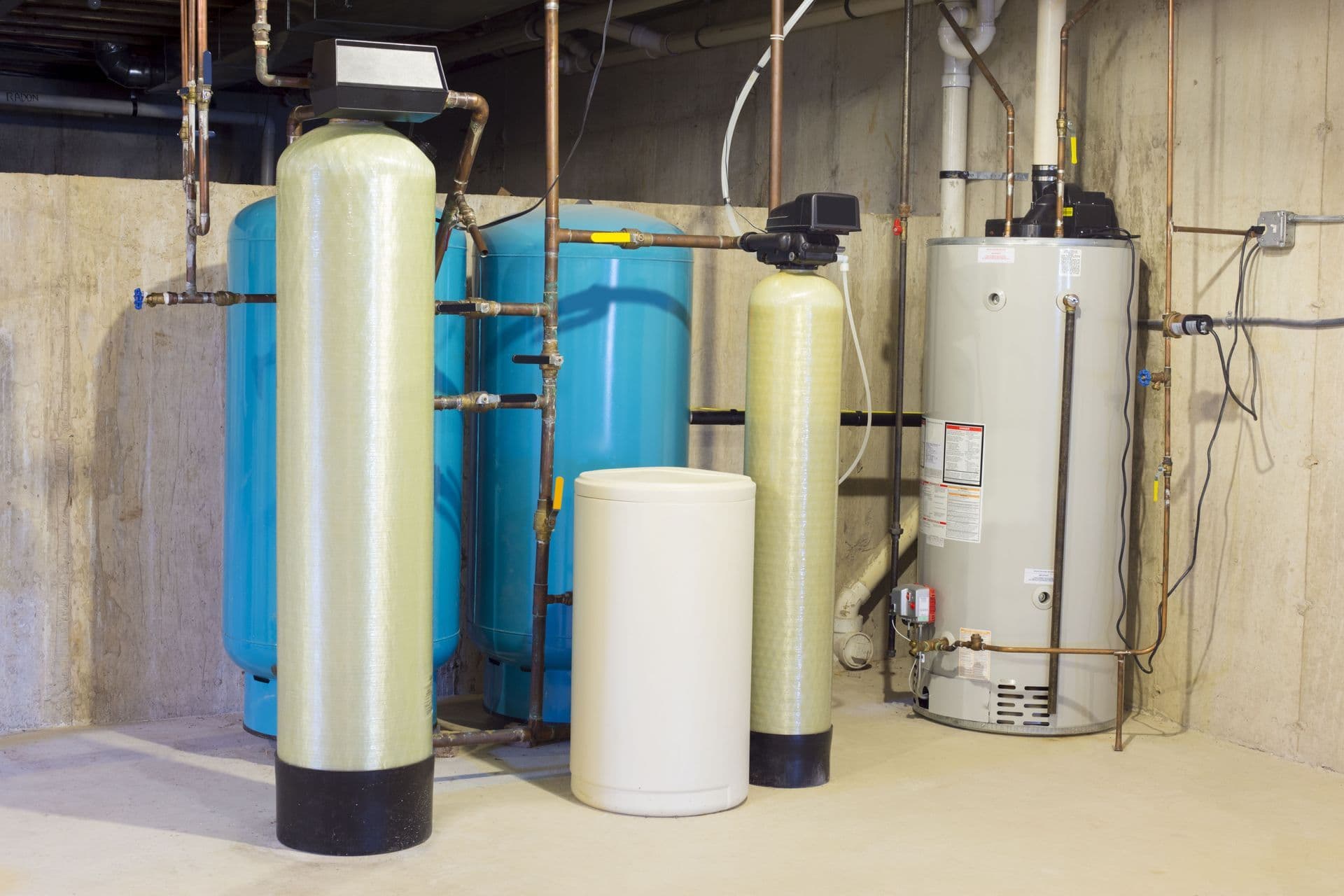
Nashville's water supply comes from the Cumberland River, treated at Metro Water Services' Omohundro and K.R. Harrington plants. The water is soft at around 5 grains per gallon, which means a traditional water softener is rarely needed. The real treatment need in Nashville is filtration. Metro Water uses chloramine disinfection, which leaves a detectable taste and reacts with organic matter to form disinfection byproducts. PFAS has been detected in the Cumberland basin from agricultural and industrial sources. Lead remains a concern in older Nashville housing stock built before the 1986 federal ban on lead solder. A 5-stage under-sink reverse osmosis system removes all of these in one installation, producing bottled-water quality at the kitchen tap. Contact Aqua Otter for a free water test and a written quote tailored to your home.
Free water test in Nashville
We test your tap for hardness, chlorine, iron, pH, and TDS. Free, no commitment. Call (615) 880-9527 or schedule online.
Schedule free water testNashville water source: the Cumberland River
Metro Water Services (MWS) draws Nashville's water from the Cumberland River at two intake points and treats it at the Omohundro Water Treatment Plant (operating since 1889) and the K.R. Harrington Water Treatment Plant. Both facilities use conventional coagulation, sedimentation, filtration, and disinfection before distributing treated water to roughly 740,000 customers across Davidson County and portions of neighboring counties.
The Cumberland River basin encompasses farmland in Kentucky and Tennessee. Agricultural runoff contributes nitrogen, phosphorus, and pesticide residues to the source water, requiring intensive treatment. After heavy storms, turbidity spikes are common, and MWS must adjust treatment chemistry in real time. The river water that arrives at the plant carries varying loads of organic matter, the presence of which directly affects how much disinfection byproduct forms during chloramine treatment.
At 5 GPG hardness, Nashville's water sits in the moderately hard range. This is very different from the 16 to 22 GPG hardness levels we deal with across Indiana and parts of Michigan. Nashville homeowners rarely need a traditional salt-based softener. See our Nashville service area page and our broader Tennessee water treatment guide for the regional context.
Chloramine disinfection: why Nashville water tastes different
Like Citizens Energy in Indianapolis, Metro Water Services uses chloramine (a compound of chlorine and ammonia) as its distribution disinfectant. Chloramine is a more stable disinfectant that persists longer through the distribution system, reaching homes at the far end of the network with adequate residual.
Chloramine produces a different and often more persistent taste and smell than free chlorine. It is also harder to remove. Activated carbon filters, which rapidly eliminate free chlorine, require significantly longer contact time to reduce chloramine. Standard pitcher filters are often ineffective against chloramine. A properly staged reverse osmosis system removes chloramine in the pre-filter stage before the RO membrane, producing completely odor-free drinking water at the kitchen tap.
Chloramine also reacts with natural organic matter in source water to form disinfection byproducts, including haloacetic acids and certain TTHM species. The EPA's maximum contaminant levels for these compounds are 60 ppb (haloacetic acids) and 80 ppb (TTHMs). Nashville MWS CCR data typically shows compliance, but seasonal variation means some periods run closer to limits. A 5-stage RO at the point of use reduces these to near-zero for drinking water.
PFAS in Nashville water: what the 2024 EPA rule means
The EPA finalized its first-ever maximum contaminant levels for PFAS compounds in April 2024. PFOA and PFOS are now regulated at 4 parts per trillion individually. Other PFAS compounds have combined limits. Tennessee utilities, including Metro Water Services, are in the monitoring and compliance period that runs through 2026 to 2029.
PFAS in the Cumberland River basin comes from several sources: agricultural use of PFAS-containing firefighting foam, industrial discharge from manufacturing facilities in the watershed, and legacy contamination from military installations. Current detected levels at Nashville's intake are within the new federal limits, but the situation is evolving. Verify the most recent MWS CCR data at nashville.gov/mws or contact MWS directly for current test results. The EPA PFAS rule is at epa.gov.
Reverse osmosis and granular activated carbon filtration are the two point-of-use technologies the EPA identifies as effective for PFAS removal. Our 5-stage RO removes PFOA and PFOS to below detection limits. See our reverse osmosis system page for specifications and certifications.
Lead risk in Nashville: pre-1986 housing
Metro Water Services treats its distributed water to be non-corrosive, so the water leaving the plant is essentially lead-free. Lead exposure risk in Nashville comes from older plumbing materials. Homes built before 1986 may have lead solder in interior plumbing, lead service line segments, or older brass fixtures with lead content. The 1986 federal ban eliminated new lead solder in plumbing, but it did not retroactively replace existing plumbing.
Nashville has a substantial stock of housing built before 1986, particularly in neighborhoods like East Nashville, Germantown, Sylvan Park, and Belmont. If your home is pre-1986 and you have not had your tap water tested for lead specifically, a state-certified laboratory test is the right first step. Our 5-stage RO is NSF/ANSI 58 certified for lead reduction and brings lead below 5 ppb at the kitchen tap.
What a reverse osmosis system looks like in a Nashville home
A typical under-sink RO installation for a Nashville home involves a compact 5-stage unit that fits inside the cabinet under the kitchen sink. The stages: sediment pre-filter (removes particles), carbon block pre-filter (removes chloramine and organic compounds), RO membrane (removes dissolved solids including PFAS and lead), post-filter (polishing carbon stage for final taste), and a small storage tank holding 2 to 4 gallons of treated water. A dedicated faucet mounted on the countertop or sink deck dispenses the RO water separately from the main supply.
The installation typically takes 2 to 3 hours. Our Tennessee team runs from our Goodlettsville office and serves Nashville, Brentwood, Franklin, Murfreesboro, and surrounding Davidson and Williamson County communities. The Nashville service area page has the full service map and contact details.
Do Nashville homes need a water softener or just an RO?
At 5 GPG, Nashville water is soft enough that a traditional salt-based water softener is not necessary for most homes. A no-salt conditioner (Quintex 5) handles any residual scale concern without adding sodium to the water or requiring salt maintenance. The Quintex 5 is a popular choice in Nashville because the water chemistry is well-suited to it: low enough hardness for scale prevention rather than scale removal, soft enough that the felt-water difference from a salt softener is minimal.
Our typical Nashville recommendation is a 5-stage RO at the kitchen tap for drinking and cooking, paired with a Quintex 5 no-salt conditioner on the main line if the homeowner wants the scale-prevention benefit for appliances. For most Nashville households, the RO alone addresses the pressing water quality concerns. Whole-house carbon filtration is the third common addition for homeowners sensitive to chloramine taste in the shower.
See our article Water Softener vs No-Salt System for the full comparison across different water conditions. Our Nashville reverse osmosis service page has local pricing and system options.
Get a custom quote for Nashville
Every home is different - contact us for an exact quote tailored to your water and your home. We test your water first, then give you a written price before any work begins.
Get My Free Quote
Free in-home water test and written quote. No pressure, no surprises.
Get My Free QuoteNashville RO installation: free water test first
Our Tennessee team tests your tap and recommends the right setup before any commitment. Call (615) 880-9527 or schedule online.
Schedule free water testFrequently asked questions
Does Nashville have hard water?
Nashville water is relatively soft at 5 GPG (grains per gallon), supplied from the Cumberland River. That is well below the 10.5 GPG threshold the USGS uses to classify water as hard. Most Nashville homeowners do not need a traditional salt-based water softener. A no-salt conditioner like the Quintex 5 handles any residual scale concern. The main treatment need in Nashville is filtration, particularly for chloramine taste, disinfection byproducts, and PFAS that have been detected from agricultural and industrial sources in the Cumberland basin.
Is Nashville tap water safe to drink?
Nashville's water from Metro Water Services meets all federal Safe Drinking Water Act standards. The water is legally safe. Compliance is not the same as ideal, however. Chloramine disinfection leaves a detectable taste and odor. Disinfection byproducts (TTHMs, haloacetic acids) are present within legal limits but are flagged in the CCR. PFAS have been detected at levels under the EPA's new 2024 limits but still present in source water. For drinking and cooking, an under-sink RO system addresses all of these in one stage.
What does reverse osmosis remove from Nashville water?
A 5-stage under-sink RO system removes 99 percent of dissolved solids, including PFAS (both PFOA and PFOS), TTHMs, haloacetic acids, lead, chloramine, fluoride, nitrate, and essentially all other detected contaminants in the Nashville water supply. The RO membrane produces roughly 1 to 3 gallons per hour, stored in a small tank under your sink, and dispensed through a dedicated faucet. For cooking and drinking, it replaces bottled water entirely.
How much does RO installation cost in Nashville?
Every home is different. Cost depends on the system configuration and what your water test reveals. Aqua Otter provides a free in-home water test and a written upfront quote before any work begins - contact us for an exact price tailored to your water and your home.
Does Nashville water have PFAS?
PFAS has been detected in Nashville area water sources from agricultural runoff and industrial discharge into the Cumberland River basin. As of the EPA's 2024 PFAS maximum contaminant level rule, utilities must test for and report PFAS levels. Metro Water Services is in the monitoring compliance period. The current detected levels fall below the new federal limits, but many households prefer a treatment solution. Reverse osmosis is one of the two technologies the EPA identifies as effective for PFAS removal at the point of use.
Water quality data from Metro Water Services Nashville Consumer Confidence Report. PFAS information from the US EPA PFAS drinking water regulation. Verify current CCR data with MWS before making treatment decisions.
Related: Nashville service area · Nashville RO service page · RO systems overview · Softener vs no-salt · Tennessee water guide · Lexington, KY water quality 2026