
Hard Water in Michigan: Detroit, Grand Rapids, Ann Arbor, and Kalamazoo Water Quality Compared
June 28, 2026 · 11 min read · By Aqua Otter Water Systems
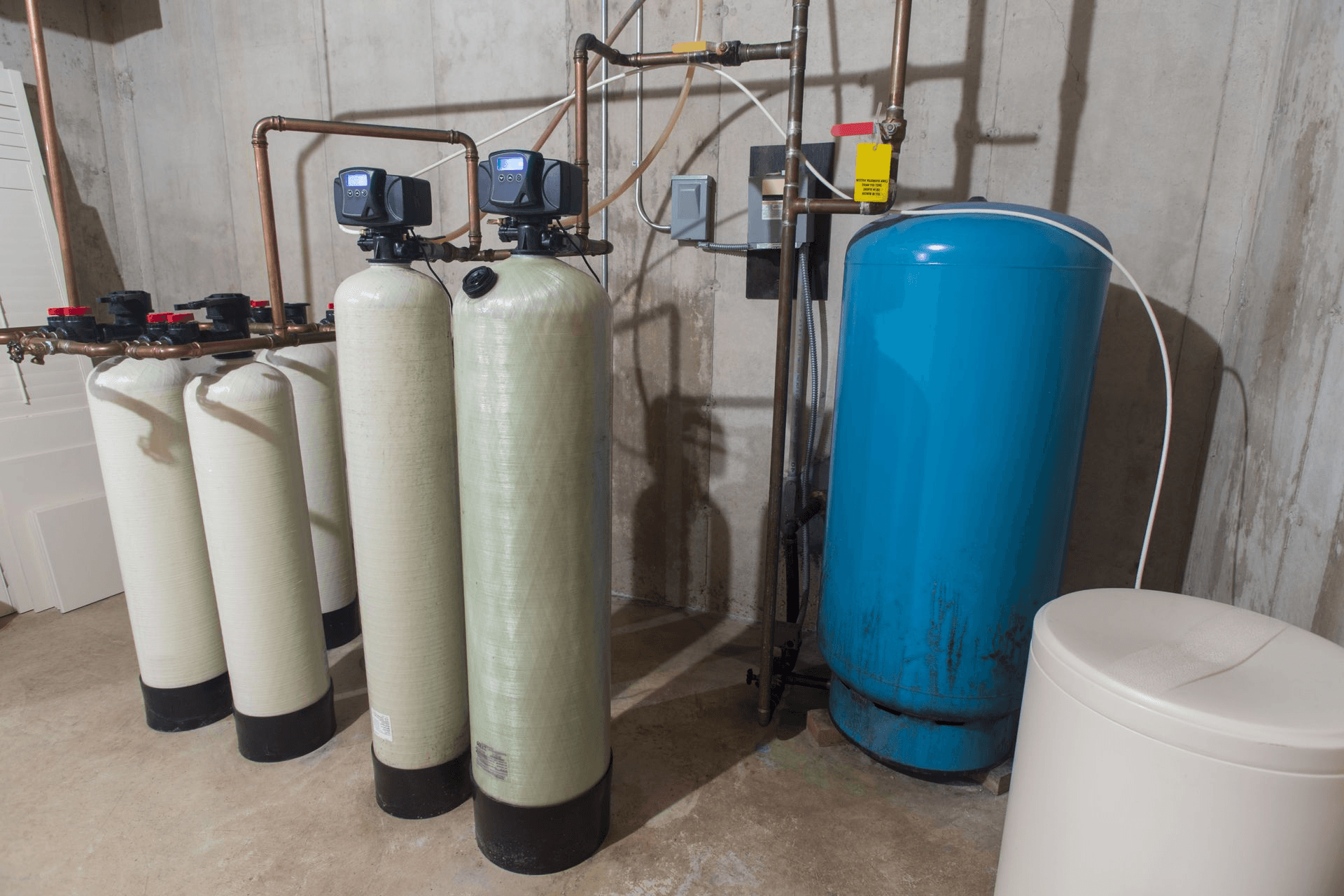
Michigan water quality is not uniform across the state. The common assumption is that Great Lakes water is soft and unproblematic. The reality is more city-specific. Grand Rapids and Detroit draw from Lake Michigan and Lake Huron respectively, and both are hard, at the low end, at 7 to 8 GPG. Kalamazoo draws from deep groundwater wells and tests at a surprising 19 GPG, making it as hard as Fishers, Indiana. Ann Arbor uses Huron River supply and sits at 10 GPG, with documented PFAS contamination as the primary concern. Lansing, at 6 GPG, is the softest of the major Michigan cities. Treatment needs vary accordingly: Kalamazoo needs a softener, Detroit-area older homes need lead-rated RO, Ann Arbor needs PFAS filtration, Grand Rapids and Lansing need no-salt conditioning at most. This guide gives the city-by-city breakdown with treatment recommendations grounded in what we actually see in the field.
Serving Michigan homeowners
Our SE Michigan office on Middlebelt Road in Livonia serves the entire Detroit metro. Our West Michigan office on Monroe Avenue in Grand Rapids covers Kent County and beyond. Call (248) 621-8411 (Detroit) or (616) 612-1660 (Grand Rapids).
Schedule free water testMichigan city water hardness at a glance
| City | Hardness | Source | Primary treatment |
|---|---|---|---|
| Kalamazoo | 19 GPG | Groundwater wells | Softener + RO |
| Ann Arbor | 10 GPG | Huron River (municipal) | Carbon + RO (PFAS) |
| Grand Rapids | 8 GPG | Lake Michigan | No-salt + carbon filtration |
| Detroit Metro | 7 GPG | GLWA (Lake Huron) | RO (lead risk in older homes) |
| Lansing | 6 GPG | Municipal wells | No-salt conditioner |
Typical readings. Your specific tap may vary. Free in-home test recommended for exact measurement.
Kalamazoo: the Michigan city that needs a softener
Kalamazoo is the surprise in the Michigan hardness picture. While neighboring Grand Rapids draws from Lake Michigan at 8 GPG, Kalamazoo relies on municipal groundwater wells fed by the Kalamazoo River basin aquifer system. That groundwater passes through the same limestone geology that makes Indiana water so hard, producing 19 GPG at the tap.
At 19 GPG, Kalamazoo homeowners deal with scale buildup on water heaters, spotting on dishes, dry skin, and appliance damage. A properly sized ion-exchange water softener removes that hardness at the point of entry. The Kalamazoo service area page covers our team and services for that market.
Kalamazoo has an additional water quality concern beyond hardness: PFAS contamination in the Kalamazoo River corridor from legacy industrial and manufacturing operations. The Kalamazoo River was the site of one of the largest oil spills in US history (Enbridge 2010) and has legacy contamination from plastics and manufacturing industries. PFAS have been detected in several municipal water systems in the greater Kalamazoo area. Our standard Kalamazoo recommendation is a water softener for hardness plus an under-sink RO for drinking water, which handles both concerns. See our Kalamazoo RO service page for details.
Ann Arbor: the PFAS story on the Huron River
Ann Arbor draws from the Huron River, which carries documented PFAS from upstream industrial sources. The Ann Arbor water utility has responded by installing granular activated carbon (GAC) treatment, which is effective at PFAS reduction, but GAC has limits. Ongoing detections in the Huron River source water mean the treatment system must work continuously against a moving contamination load.
At 10 GPG, Ann Arbor is in the hard range. A no-salt conditioner is adequate for scale prevention at that level. The primary treatment need is PFAS filtration. Our standard recommendation for Ann Arbor is a whole-home carbon block or Quintex 5 for scale and a 5-stage reverse osmosis for drinking water. See our full article on Ann Arbor PFAS in the Huron River and the Ann Arbor service area page. For softener sizing patterns drawn from actual Ann Arbor installs, see our Ann Arbor water softener install guide.
Detroit metro: older pipes
The Great Lakes Water Authority (GLWA) supplies most of the Detroit metro from Lake Huron via the largest surface water treatment system in the world. GLWA water is moderately hard at 7 GPG. But Detroit's biggest water quality story is not hardness; it is lead.
Detroit and its first-ring suburbs (Livonia, Dearborn, Warren, Sterling Heights) contain large concentrations of housing built before 1950. Lead service lines, lead-soldered copper joints in interior plumbing, and older brass fixtures are common in those homes. GLWA treats its water to be non-corrosive, so the water leaving the plant has minimal lead. But that corrosion control only works on the distribution system piping. If your home's service line or interior plumbing contains lead, the chemistry that protects the mains does not help you.
Our SE Michigan office is on Middlebelt Road in Livonia. Every Detroit-area install includes a lead test at the tap, and our standard recommendation for any home built before 1986 includes an NSF 58 certified RO at the kitchen sink. The Detroit metro service area page covers the full service footprint and team contact. For a deeper look at lead, hardness, and PFAS data across the metro, see our Detroit Metro water quality 2026 guide.
Grand Rapids: Lake Michigan supply and the no-salt sweet spot
Grand Rapids draws from Lake Michigan through a sophisticated ozone-enhanced treatment system at the Michigan Lake Source Recovery facility. At 8 GPG, Grand Rapids water is hard only at the low end, so a traditional salt-based softener is rarely the first recommendation. The ozone treatment process produces excellent microbiological safety but introduces some disinfection byproducts including TTHMs.
Our West Michigan office on Monroe Avenue serves Kent County and surrounding areas. The typical Grand Rapids install is a no-salt Quintex 5 on the main line for scale prevention plus whole-home carbon filtration or an under-sink RO for drinking water quality. The Grand Rapids service area page has local details, and our article on reverse osmosis for Grand Rapids water covers the treatment specifics in detail.
Lansing: the softest of Michigan's major cities
Lansing is supplied by municipal wells and surface water treatment and sits at 6 GPG, the softest major Michigan city we serve. At that hardness level, scale prevention rather than scale removal is the right approach. Our Quintex 5 no-salt conditioner is one of our top-performing systems in Lansing, because the water chemistry is perfectly suited to it.
Lansing's TTHM levels have been flagged in CCR reports from time to time. A whole-home carbon filter or under-sink RO addresses that cleanly. Our Detroit office covers Lansing. See the Lansing service area page.
Michigan homeowners: free water test
Detroit metro: (248) 621-8411 · Grand Rapids: (616) 612-1660
Schedule free water testFrequently asked questions
Does Michigan have hard water?
Michigan water hardness varies significantly by city. Lake Michigan-supplied cities like Grand Rapids (8 GPG) and Chicago are hard, at the low end. GLWA-supplied Detroit metro water runs around 7 GPG. Kalamazoo, which draws from deep groundwater wells rather than Lake Michigan, is surprisingly hard at 19 GPG. Lansing, supplied from municipal wells, is moderately hard at 6 GPG. Ann Arbor at 10 GPG sits in the hard range with Huron River supply. The range across Michigan is wider than most residents expect.
Does Detroit water have lead?
The Great Lakes Water Authority (GLWA) treats Detroit's source water to be non-corrosive, and the water leaving the plant is essentially lead-free. Lead risk in Detroit and its inner-ring suburbs comes from older plumbing: lead service lines (LSLs) still being inventoried and replaced, lead solder in pre-1986 homes, and brass fixtures with lead content. Livonia, Dearborn, and other older first-ring suburbs have high concentrations of pre-1950 housing. An under-sink RO with NSF 58 lead certification is the safest drinking-water solution for any Detroit-area home in older housing stock.
Does Ann Arbor have PFAS in the water?
Yes. Ann Arbor draws from the Huron River, which carries documented PFAS contamination from upstream industrial sources and has been affected by historical discharges from various manufacturing operations along the river corridor. The Ann Arbor water utility treats aggressively with granular activated carbon, but PFAS at low levels has been detected. Every Ann Arbor install we do includes whole-home carbon plus a 5-stage RO as the standard recommendation. See our dedicated article on Ann Arbor PFAS for the full data.
What water treatment does Grand Rapids need?
Grand Rapids draws from Lake Michigan via the Michigan Lake Source Recovery program and treats with ozone plus conventional filtration. At 8 GPG, it is hard, at the low end, and a traditional salt-based softener is not always necessary. A no-salt conditioner handles scale prevention at that hardness level. The primary treatment need in Grand Rapids is filtration for TTHMs and chlorination byproducts from the ozone-enhanced treatment process. A whole-house carbon filter or under-sink RO handles drinking water concerns.
Does Kalamazoo need a water softener?
Yes. Kalamazoo water comes from municipal groundwater wells and tests at 19 GPG, classifying it as very hard. Scale buildup in water heaters and dishwashers is a consistent problem for Kalamazoo homeowners. A properly sized ion-exchange softener is the right first treatment. The additional concern in Kalamazoo is PFAS from industrial sources in the Kalamazoo River corridor, which makes adding an under-sink RO a sensible second step.
Water hardness data from the US Geological Survey. City-specific data from annual Consumer Confidence Reports published by GLWA (Detroit), Grand Rapids utilities, Ann Arbor water utilities, and City of Kalamazoo. PFAS regulation from the US EPA. Verify current data with your local utility before treatment decisions.
Related: Michigan water treatment hub · Ann Arbor PFAS guide · Grand Rapids RO guide · Kalamazoo service area · Detroit service area · Jackson, MI water quality 2026